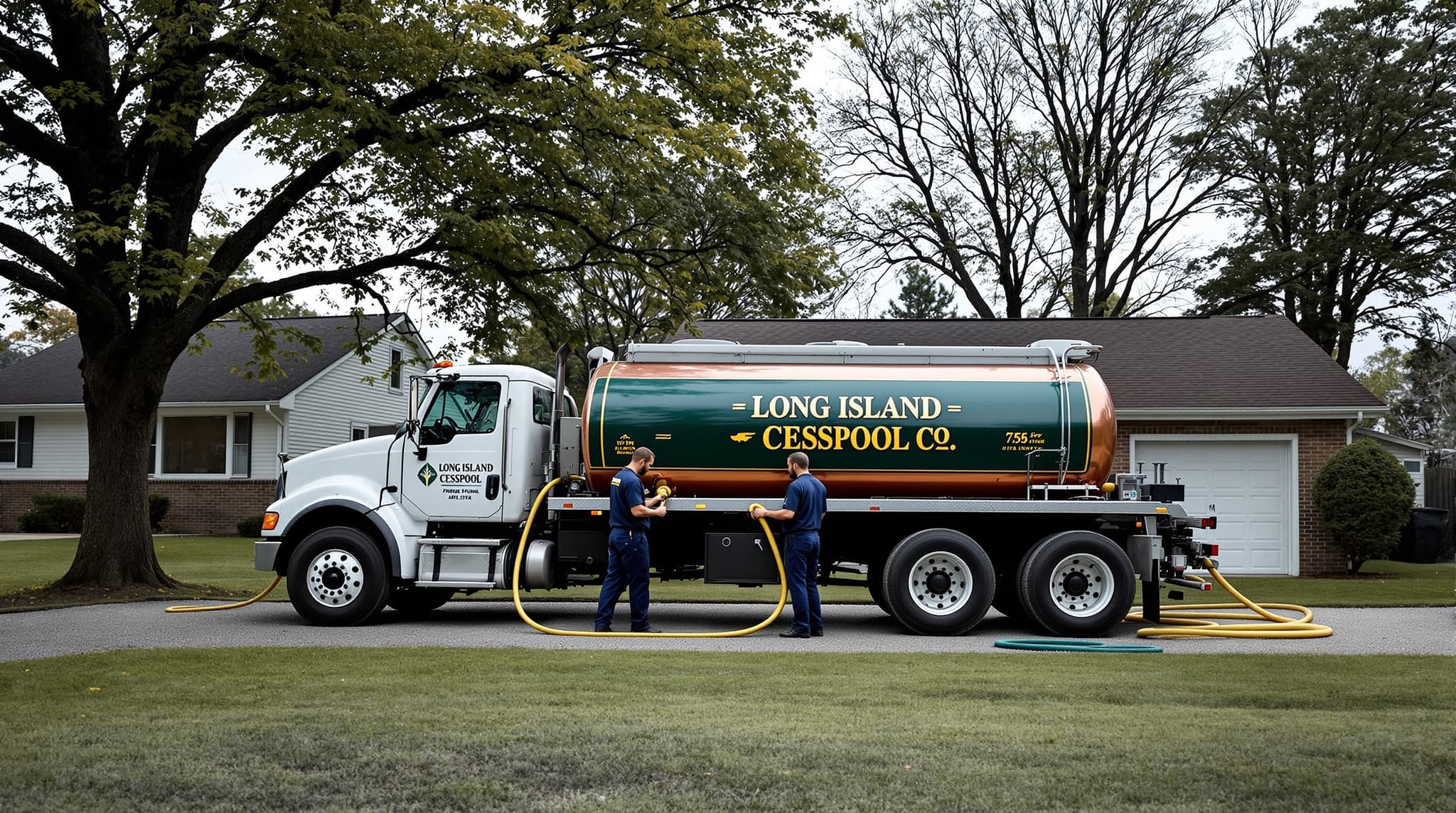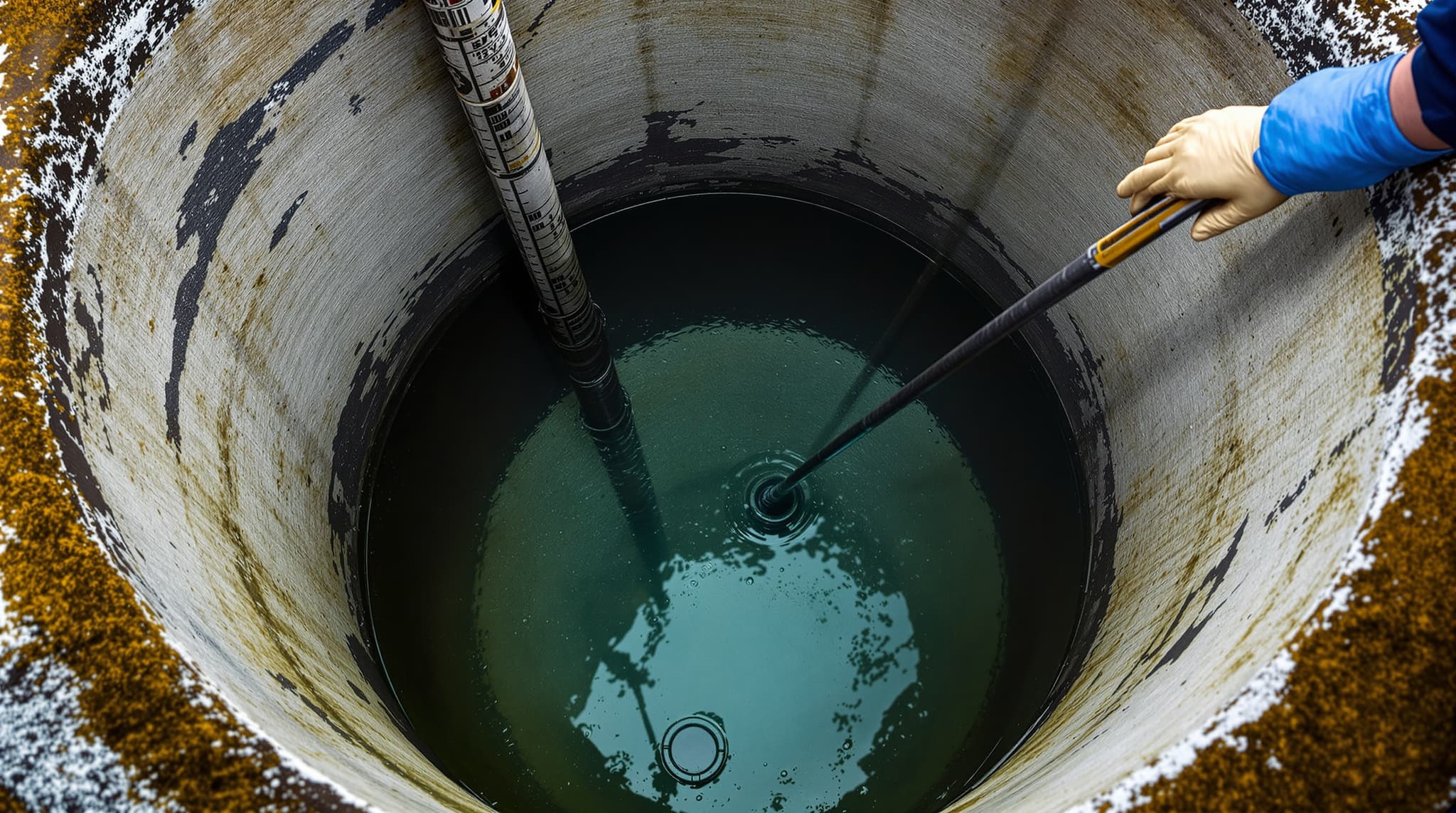
What a Grease Trap Does and Why You Have One.
Every commercial kitchen on Long Island is required by Suffolk County and local fire and health codes to have a grease interceptor or grease trap in the drain line from the kitchen to the main sewer or septic. The trap physically separates fats, oils, and grease (FOG) from wastewater so they don't go into the sewer system (where they cause "fatbergs" and backups) or into a septic system (where they kill the tank and field).
Common Long Island settings with grease traps:
- Restaurants (full-service, QSR, pizzerias, diners)
- Cafeterias (school, corporate, hospital)
- Delis and food counters
- Food trucks with commissary operations
- Bakeries and commercial kitchens
- Bars with kitchen service
- Multi-tenant food halls
If your kitchen cooks with oil or butter at volume, you have a grease trap. Health department inspections will flag you if the trap is neglected.
Pumping Frequency.
Suffolk County health code requires grease traps to be pumped when grease accumulation reaches 25% of the trap capacity, or every 90 days, whichever comes first. Some municipalities and some high-volume operators are on tighter schedules.
Typical schedules we run:
- Small café / bakery / low-grease operation: every 90 days
- Standard restaurant (moderate fryer use): every 60 days
- High-volume kitchen (heavy fryer, pizzeria, burger): every 30 to 45 days
- Food truck commissary: every 30 days or case-by-case
We sign you onto a recurring schedule so you don't have to remember. Dispatch sends a reminder the week before and the truck shows up as scheduled.
What We Do on a Service Visit.
1. Scheduled arrival. We time service to avoid your peak. For most restaurants that's late morning or early afternoon. For bars, it's early morning. We work around your hours.
2. Complete pump-out. Full evacuation of the trap (not just a surface skim). "Skim and done" service is cheaper short-term but leaves residue that builds up fast. We pump the full volume.
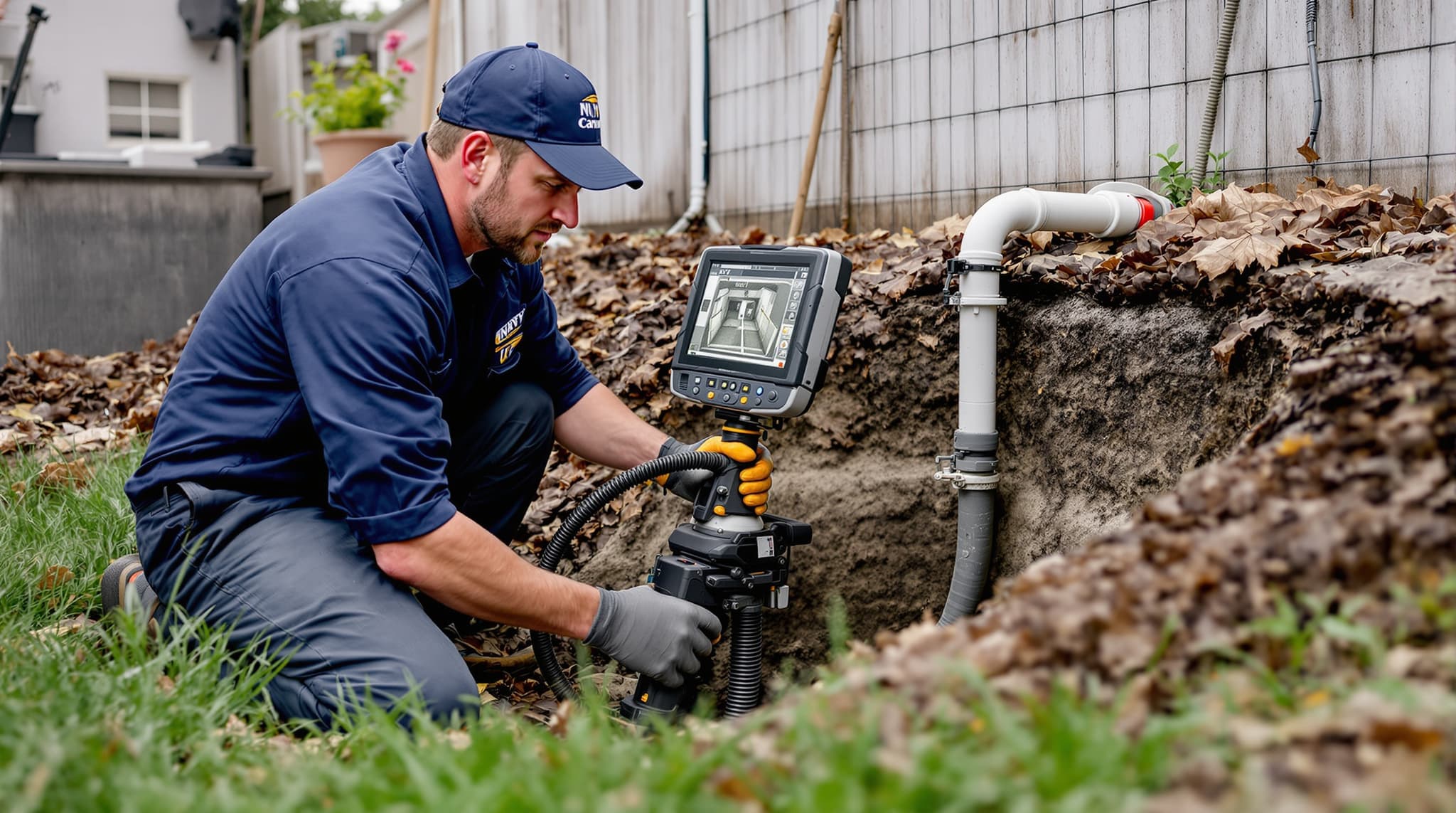
3. Inspection. Check for baffle damage, sight-glass clogging, pipe corrosion, lid or cover issues. Flag anything that needs repair.
4. Cleaning. Interior walls wiped down. Baffles scraped clean. Reseal the lid with fresh gasket if needed.
5. SCDHS manifest. You sign the pickup manifest. We keep a copy, you keep a copy, SCDHS has a copy. If you're ever inspected, the paper trail is there.
6. Disposal. Grease is hauled to a permitted rendering or transfer facility. Never dumped, never landspread, never left in a municipal system.
How We Price Commercial Service.
For active commercial accounts, we offer monthly or quarterly contract pricing. Benefits:
- Locked-in rate for the contract term
- Automatic scheduling with reminders
- Priority emergency response if you have a trap overflow during service hours
- Consolidated billing
- Dedicated account manager (usually Maria on our side)
One-off pumping is available but costs more per visit than contract service. Most Long Island restaurants we serve end up on a contract after the first visit.
For pricing ranges, see the pricing page. Commercial pricing depends on trap volume, access, pumping frequency, and whether disposal is local or requires a longer haul.
When a Trap Overflows.
Grease traps overflow when they haven't been pumped on time or when something upstream (a fryer dump, a broken baffle, a clog in the line) causes a surge. An overflowing grease trap during dinner service is a real problem: sewage smell in the dining room, health code violation, kitchen has to stop serving until resolved.
We run emergency service on commercial accounts. If you're on a contract, call dispatch. We'll prioritize the response. Typical emergency window is 2 to 4 hours during business hours, and same-evening for post-service emergencies.
Grease Trap Repairs.
Beyond pumping, we handle:
- Baffle replacement. Common failure point, leads to grease pass-through into the drain line. Same-day repair in most cases.
- Sight glass and cover replacement. Breakage from impact or heat warping.
- Cover gasket replacement. To control odor and pest access.
- Drain line clearing from the trap. If grease has migrated downstream, we can jet the line.
- Trap upsizing recommendation. If you're outgrowing your current trap (renovation, menu expansion, increased covers), we'll scope a larger trap or interceptor.
We do not install new grease interceptors on new-construction commercial builds as a prime contractor, but we work with commercial GCs and plumbers on new installations and take over the service contract after.