Who This Page Is For.
This page is for homeowners, builders, and general contractors installing a septic system for a brand-new house, accessory dwelling unit (ADU), commercial building, or major addition that adds bedrooms to a home not currently served by Suffolk public sewer.
Typical new-install scenarios we handle:
- New construction on a raw lot in Suffolk or eastern Nassau
- Tear-down-and-rebuild where the existing system is being fully replaced
- New accessory dwelling unit (legal mother-in-law, guest house, ADU) requiring its own septic
- Major addition that adds bedrooms and triggers a septic system resize
- Commercial buildings on parcels not served by sewer
If you're replacing a failed existing cesspool on an existing home, that's our cesspool replacement page. Different scope, different permit pathway, often a different grant situation.
The Suffolk County Article 6 Permit.
Every new residential septic install in Suffolk County requires an Article 6 Construction Permit from the Suffolk County Department of Health Services (SCDHS). This is not a rubber stamp. SCDHS reviews:
- Site plan with proposed tank location, field location, setbacks, slopes
- Soil borings and percolation test results
- Depth to seasonal high water table
- Distance to wells, property lines, bodies of water, wetlands
- System sizing (based on bedrooms for residential, design flow for commercial)
- I/A vs conventional determination (some zones require I/A)
- Engineered drawings if the lot or system requires it
The process, step by step:
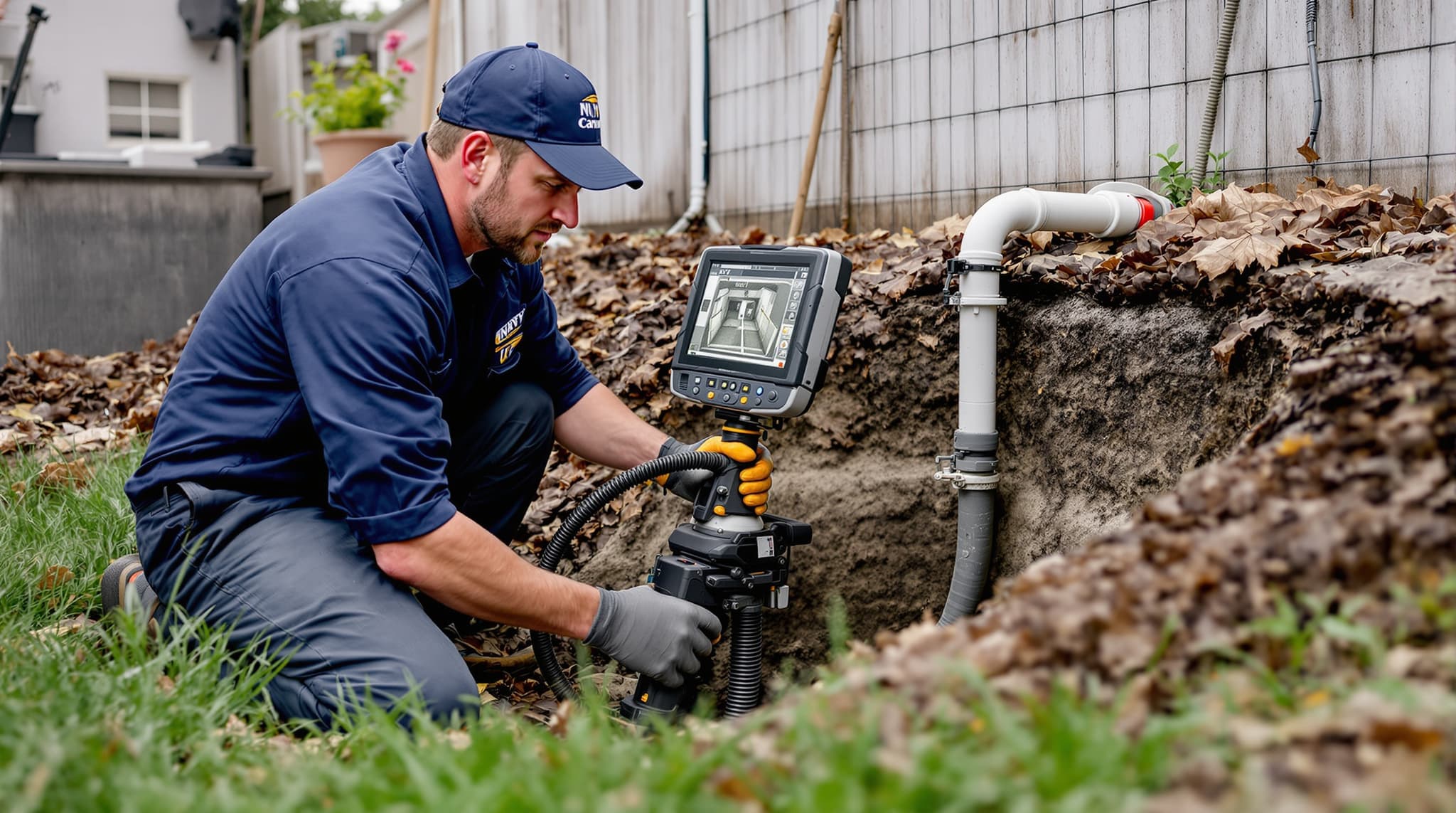
- Site evaluation. We walk the lot, order perc tests and soil borings, sometimes test for groundwater depth.
- System design. We draft a layout that meets SCDHS code and matches the house plans.
- Submission. We file the Article 6 application package with SCDHS. Current typical review: 4 to 10 weeks.
- Revisions. Most applications come back with at least one round of comments. We respond, resubmit, and push the file forward.
- Permit issuance. Construction permit issues. Installation can begin.
- Installation. We install per the approved drawings.
- Inspection. SCDHS inspector comes out before backfill to verify installed-as-drawn. Sometimes a second inspection after backfill.
- Final certification. Issued once the system passes all required inspections. This document is what your C of O depends on.
We handle every step of this. Your builder doesn't need to become an SCDHS expert. Neither do you.
Do You Have a Choice on System Type?
Sometimes. Depends on your lot.
Mandatory I/A zones. Suffolk has designated several zones (parts of the Peconic Estuary watershed, certain Central Pine Barrens parcels, specific coastal buffer areas) where new construction must install an I/A nitrogen-reducing system. Not negotiable, regardless of cost.
SCSIP-eligible zones. Most of Suffolk County falls inside the SCSIP grant zone. New construction in these areas can install I/A with grant funding offsetting most of the cost difference vs conventional.
Conventional-allowed zones. A diminishing slice of Suffolk (parts of central and western Suffolk with deep water table, large lots, low density) still allow conventional new installs. I/A is still allowed and encouraged, and SCSIP grants still apply.
We check your address against the SCDHS zone map during the site visit and tell you exactly which system types are permitted, and which qualify for what level of grant funding.
How We Work Alongside Your GC.
We've worked with 40-plus Suffolk general contractors on new builds. The rhythm usually looks like this:
- Foundation stage: GC calls us once the foundation is formed so we can coordinate tank placement with finished grade.
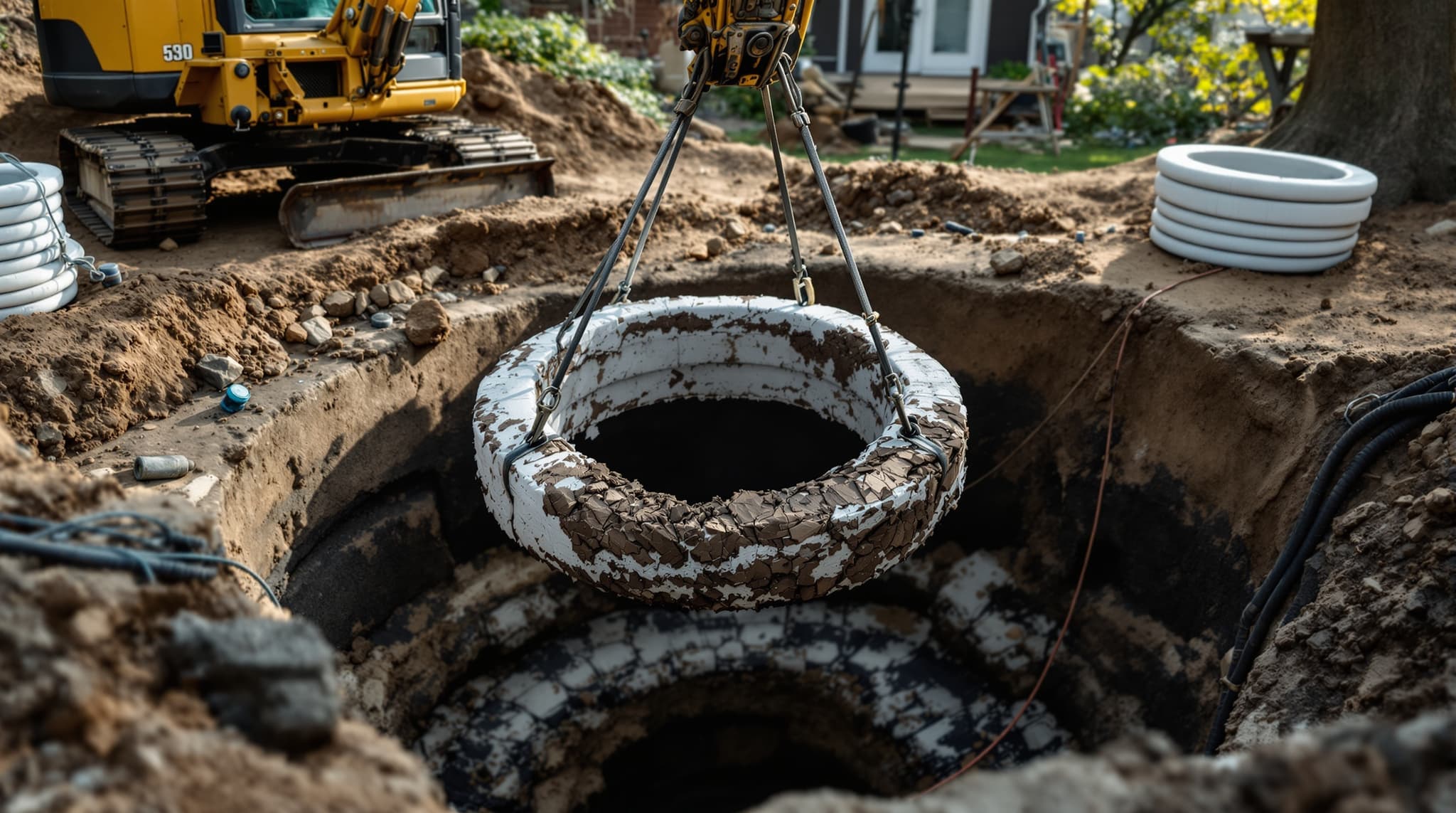
- Rough framing stage: We schedule the excavation and tank install. Usually a 3 to 5 day window.
- Before siding / finishes: We install risers and covers, get the pre-backfill inspection, and backfill.
- Before C of O: We pull the final SCDHS sign-off that your building department needs for the certificate of occupancy.
We coordinate directly with your GC if you want us to, or we run through you if you prefer to quarterback it yourself. Either works. Just tell us during the site visit who the point of contact is.
How We Size a New Septic System.
Sizing is based on "design flow," which SCDHS calculates based on bedrooms:
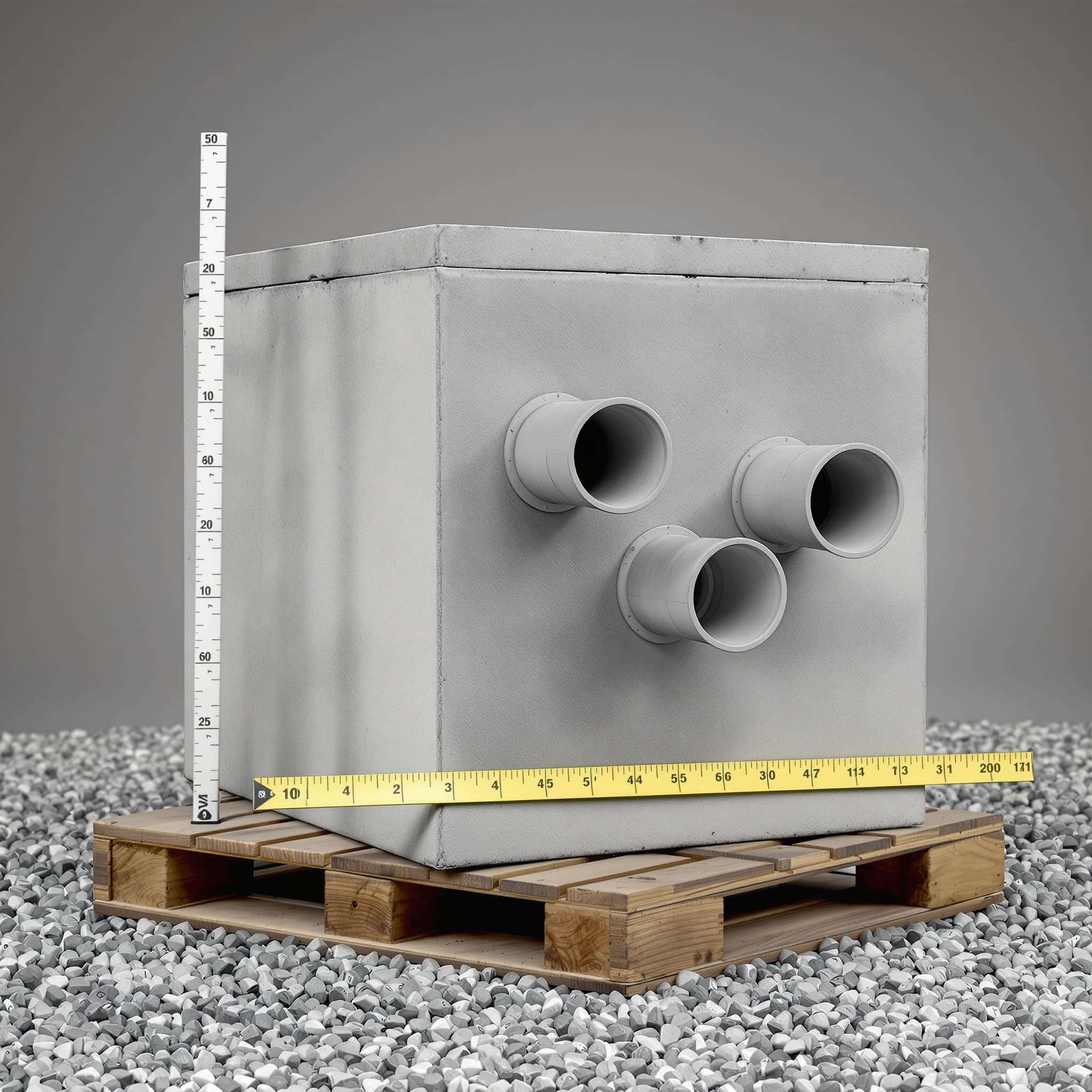
- 1-3 bedroom home: 300 gallons per day design flow. 1,000-gallon tank typical.
- 4 bedroom home: 440 gallons per day. 1,250-gallon tank.
- 5 bedroom home: 550 gallons per day. 1,500-gallon tank.
- 6 bedroom home: 660 gallons per day. 1,500-gallon tank with larger field.
Field size is calculated separately based on design flow and soil percolation rate from your perc tests. A fast-draining sandy lot needs less field than a tight clay lot. SCDHS dictates the formula.
We size conservatively. If you're on the edge between two tank sizes, we spec the larger one. The cost difference is minimal and the margin matters over a 40-year tank life.
Cost Drivers for New Installation.
New-install pricing varies widely. For honest ranges and assumptions, see the pricing page.
Factors that move the number:
- System type (conventional vs I/A, I/A brand selection)
- Design flow (bedroom count)
- Lot conditions (high water table, tight soil, rocky fill)
- Engineering required (complex lots need PE-stamped drawings)
- Access and staging (tight infill lots cost more than open spreads)
- Restoration scope (bare lot, no restoration; landscaped lot, more)
- SCSIP grant offset (can substantially reduce net cost on I/A systems)