What We Can Fix Without Replacing the Tank.
Most Long Island cesspool failures come from a handful of wear-and-tear issues, and most of them are repairable. Here's what we see and what we do about it.
Broken or missing baffle
Baffles are the short plastic or concrete walls inside the tank that control flow between inlet and outlet. When they break or fall off, solids migrate into the leach field, which kills the field fast. Baffle replacement is a same-day repair in most cases. We pump, open the tank, cut out the old baffle, install a new PVC or concrete replacement, and reseal.
Cost context: Low to moderate. A few hundred dollars, not thousands. See pricing for ranges.
Root intrusion through seams or walls
Maple, oak, and tulip tree roots find tank seams and grow in, looking for the water. Light intrusion is a cut-and-flush job. Moderate intrusion means cutting back the roots, sealing the seam with hydraulic cement, and applying a root inhibitor. Severe intrusion (walls broken, concrete crumbling) usually means replacement.
We'll tell you honestly at the tank lid: "This will buy you three years" versus "This tank is 40 years old and the walls are gone, don't throw good money after bad."
Cracked or collapsed riser / access cover
The riser is the vertical pipe that brings the tank lid up to ground level, and it's the most commonly damaged part of a tank (lawnmower, plow, car parked too close). Replacing a riser is a half-day job and restores safe, code-compliant access to the tank.
Settlement cracks in concrete walls
Hairline cracks in an otherwise sound tank can be sealed with hydraulic cement and a waterproof mastic. If the cracks are active (growing, letting water in), we'll walk you through when to repair and when to plan replacement.
Clogged or partially blocked outlet
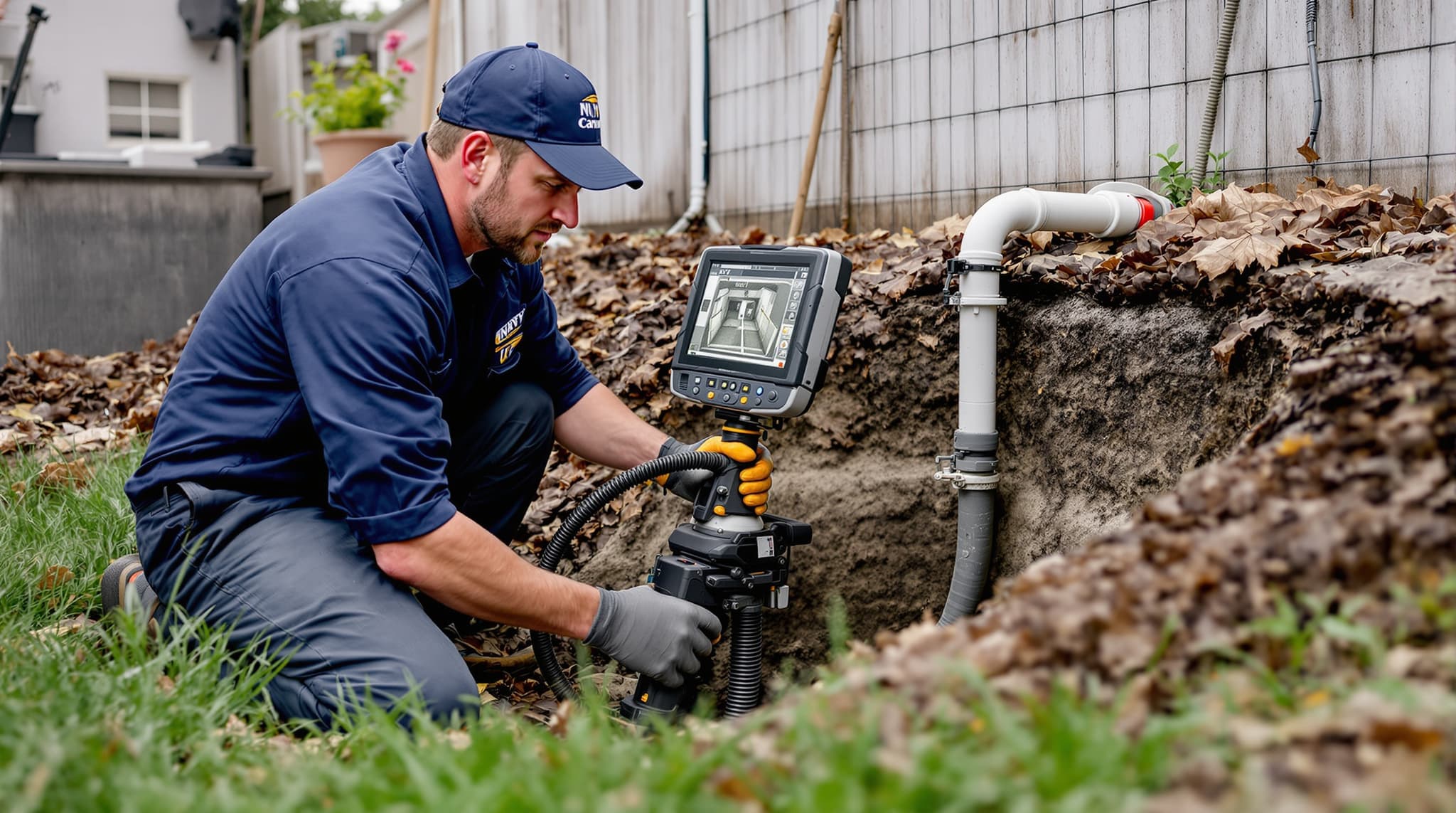
Sometimes a partial clog at the outlet to the leach field is a debris problem (rag, wipe, gravel that fell in during maintenance). We can clear it with a water-jet and camera inspection without replacement.
Effluent filter replacement
Modern septic tanks often have an effluent filter at the outlet. These clog over time with grease and solids. We pull, clean or replace, and reinstall. 30-minute job on most tanks.
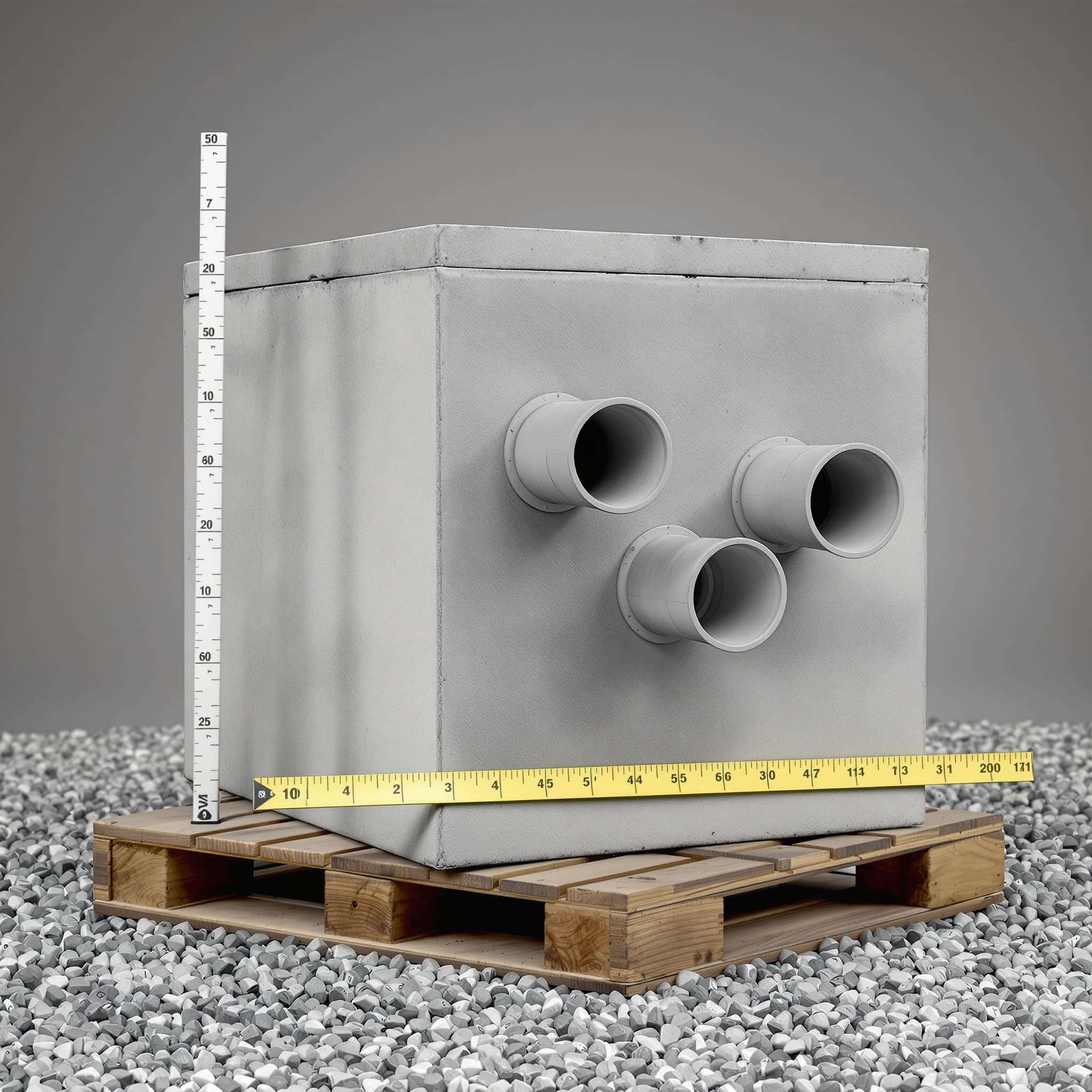
Distribution box (D-box) repair
The D-box splits flow across the leach field. When it tips, breaks, or clogs, one side of the field carries all the load. We can reset, reseal, or replace the D-box without touching the tank or the main field.
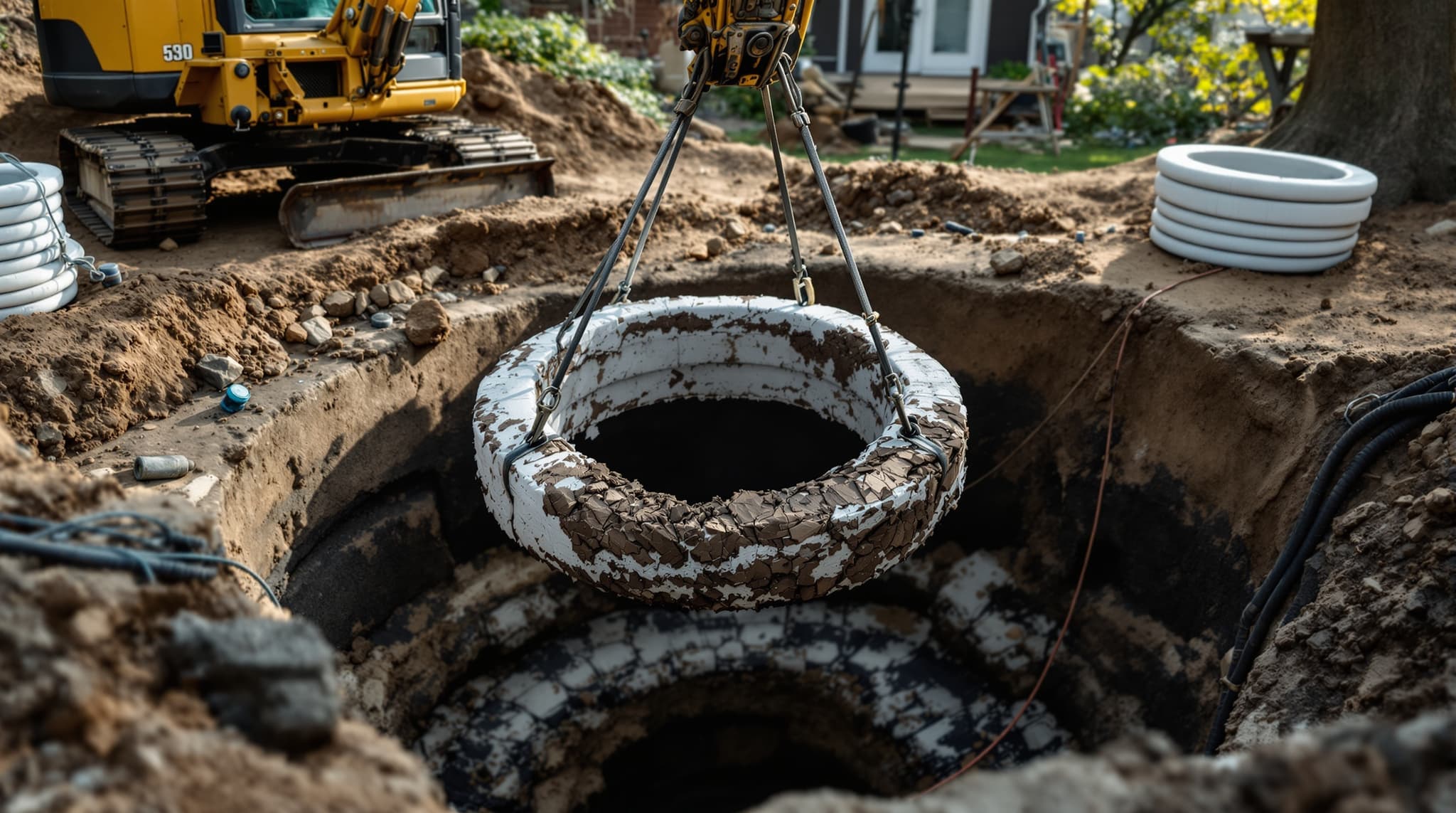
When We Tell You to Replace Instead.
We'd rather make $600 on a baffle repair and see you again in five years than push you into a repair that fails next year and costs you twice. Some conditions mean repair is pointless.
- Concrete walls are crumbling. If the rebar is exposed and the walls are sloughing off, no patch survives another freeze-thaw cycle.
- Tank is cracked through and settling. Settlement cracks on multiple walls usually mean the tank has shifted past repair.
- Leach field is fully saturated and non-absorbing. If the field is dead, pumping more often or repairing baffles doesn't fix anything.
- SCDHS has flagged the system at a real-estate inspection. Once the county has an inspection report on file, patch-job repairs usually don't satisfy the inspector.
- System is 50+ years old and you're staying in the house. Cumulative repair cost on a tank that old usually exceeds replacement, and there's no SCSIP grant on repair.
Replacement opens up the SCSIP grant possibility. Repair does not.
Urgent Repair vs Planned Repair.
Emergency conditions (call dispatch, we come same-day):
- Raw sewage backing up into the house
- Visible sinkhole or cave-in over the tank
- Tank cover missing (safety risk, especially with kids or pets)
- Known failed baffle causing repeated backups
Scheduled repair (next-available slot):
- Root intrusion identified during a routine pumping
- Riser that needs to be raised or replaced
- Minor cracks to be sealed preventively
- Effluent filter cleaning
Dispatch triages based on safety and urgency. If your toilets are backing up, say that when you call.
What a Repair Visit Looks Like.
- Dispatch intake. We ask what's happening, how urgent, and whether the tank is accessible.
- Tech on site. Depending on the repair, we may or may not bring a pump truck. Baffle replacement requires pumping. Riser repair often doesn't.
- Diagnostic. Tech opens the tank, inspects, and identifies the specific failure. Takes photos.
- Written estimate. Before any repair work starts, you get a written quote on a clipboard.
- Repair. Completed on site when parts are on the truck. If we need a special part, we schedule a return trip at the same price.
- Documentation. Service record, photos of before/after, and our recommendation for follow-up maintenance.
Common Cesspool Problems We Fix on Long Island.
The 1970s Smithtown block tank with root intrusion. These are everywhere on the North Shore. Concrete block walls, not poured concrete, and the seams between blocks are root magnets. We cut, seal, and root-inhibit. Most buy 3 to 8 years of extended life, depending on how aggressive the trees around them are.
The South Shore high-water-table tank that "floats." Lots near the bay or canal have tanks that can literally shift when the water table rises. We can reset and anchor in moderate cases.
The Massapequa or Bay Shore tank with a collapsed lid. Old concrete lids crack and fail. We swap for a modern HDPE (plastic) lid with a proper handle, which is safer and easier to service.
The Huntington or Greenlawn tank where a previous contractor "rehabbed" it with a product that didn't work. There are some "tank restoration" chemical products that promise miracles. Most are expensive temporary patches. We see them fail two to three years after the rehab. We do honest repairs only.
The 1960s poured-concrete cesspool with one bad baffle but otherwise sound walls. The best repair candidate. Swap the baffle, do a root check, flush the field, pump schedule adjustment. 10+ more years of service typical.