Understanding the Leach Field (aka Drain Field).
The tank holds and partially digests wastewater. The leach field (sometimes called drain field, distribution field, or absorption field) is where treated effluent from the tank is released into the soil and percolates down to the groundwater. Soil is the final treatment step. Microbes in the soil break down remaining organics and pathogens before the water reaches the aquifer.
A healthy field absorbs effluent at a steady rate year-round. A failing field doesn't. When a field fails, you see one or more of these symptoms:
- Soggy, squishy ground over the field area
- Grass over the field greener than the rest of the lawn (the nutrient load)
- Sewage odor in the yard, especially after rain
- Drains backing up inside the house even shortly after pumping
- Standing water or surface breakout in the field zone
- Leach field "riser" cleanouts overflowing
How a Field Dies.
Four main reasons.
Biomat buildup. A thin biological mat forms naturally at the soil interface where effluent enters. Over 15 to 30 years, this biomat thickens and the soil can't accept effluent fast enough. This is the most common cause of field failure on older Long Island systems.
Hydraulic overload. Too much water into the system for the field to absorb. Running a washing machine all day, bad downspout or sump pump discharge routed into the system, long-term occupant density higher than the system was sized for.
Physical damage. Tree roots growing into lines, lines crushed by a vehicle or heavy equipment, freeze damage on shallow lines, lines settling and losing pitch.
Underlying soil failure. Clay lens that's filled in, water table that's risen over the decades, or the field was installed in marginal soil to begin with. Common on North Shore homes built on tight glacial till.
Sludge migration from a failed tank. If your tank baffles are broken and solids have been migrating into the field for years, the field may be clogged with sludge that chokes off absorption.
How We Figure Out What's Wrong.
Most of the calls we get for "the yard is wet" end up being one of three things. We don't quote a repair or replacement without finding out which one.
Step 1 — Exterior walk. We walk the yard, look for surface symptoms, check downspouts and grade, identify where water is actually going. Sometimes the wet spot is a broken sprinkler line, not a field problem.
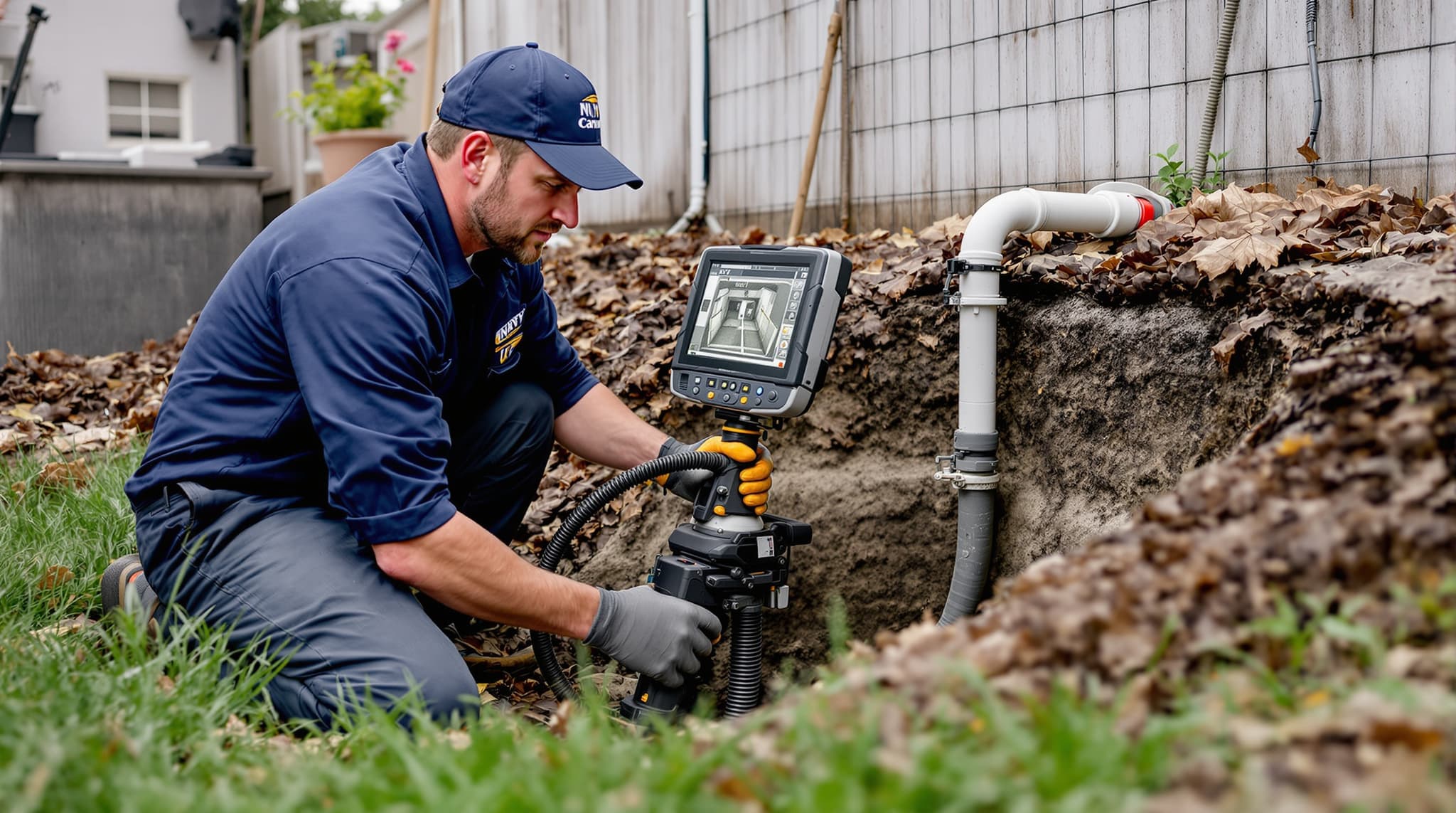
Step 2 — Tank inspection. We open the tank. Check baffles, sludge depth, outlet condition. If the tank has issues, those get addressed first, since a tank problem can look identical to a field problem.
Step 3 — Effluent flow test. We run water into the tank and observe outflow. If the outlet to the field is immediately overflowing or backing up, the field isn't absorbing.
Step 4 — Field probe. We expose the distribution box and probe the field trenches. We look for standing effluent, root intrusion, crushed pipe, and soil saturation.
Step 5 — Decision. Based on what we find, we recommend: field rehab (biomat treatment, root removal, D-box repair), targeted trench replacement, or full field replacement.
When We Can Save the Field.
Rehab candidates:
- Field is less than 20 years old and has recent failure symptoms
- D-box is tipped or damaged, causing uneven loading
- Biomat buildup is moderate (responsive to treatment)
- Root intrusion localized to one or two lines
- Soil infiltration rate can be restored with enzyme or chemical treatment
Replacement candidates:
- Field is 30+ years old and failing
- Soil is permanently impaired (high water table, severe clay)
- Field is undersized for current occupancy
- Multiple D-box and trench failures combined
- SCDHS has flagged the system at inspection
Rehab costs a fraction of replacement and can buy 5 to 15 years of additional field life. But not every field is a rehab candidate, and we won't sell you a rehab on a field that's too far gone.
Field Rehab Techniques We Use.
Mechanical biomat breaking
Water-jetting lines to break up biomat buildup and restore infiltration. Appropriate for fields where lines are in physically sound condition and the biomat is the limiting factor.
Root cutting and chemical inhibition
Cutting roots back with a rotary cutter, then applying a root inhibitor to prevent regrowth. Combined with mechanical clearing as needed.
D-box repair or replacement
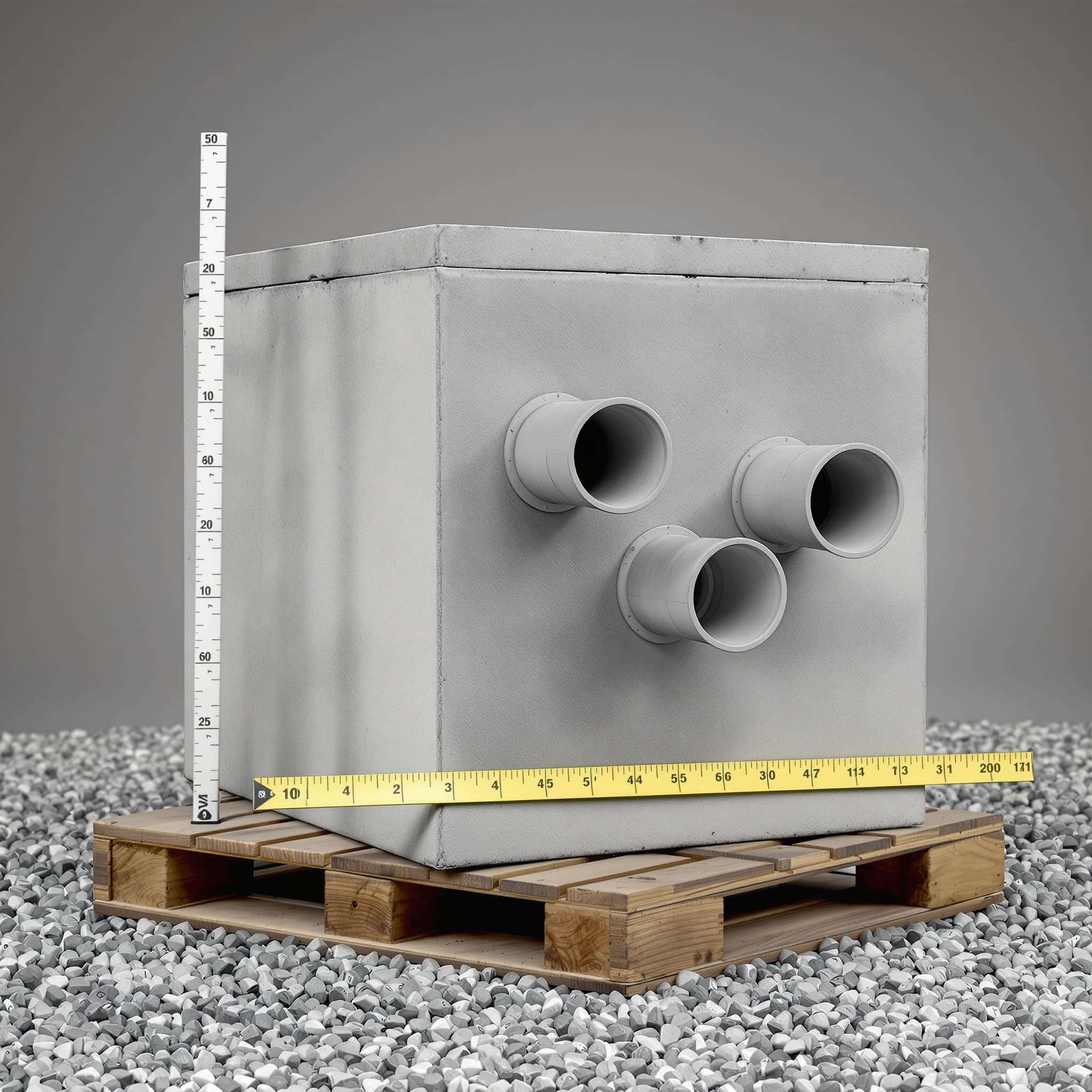
The distribution box is usually 4 to 8 feet from the tank outlet. It splits flow across the field trenches. A tipped, cracked, or clogged D-box causes uneven loading and premature field failure. We can reset or replace the D-box without touching the trenches themselves.
Targeted trench replacement
If one trench has failed but the rest of the field is sound, we can dig and replace that one trench. Less invasive than full replacement, extends the field's useful life.
Oxygen / bacterial treatments
Some fields respond to aerobic bacterial treatments that break down biomat biologically. Less invasive, less disruptive, but slower to show results. We use this where appropriate and skip it where we know it won't help.
When the Field Has to Come Out.
When rehab isn't going to work, we replace. That means:
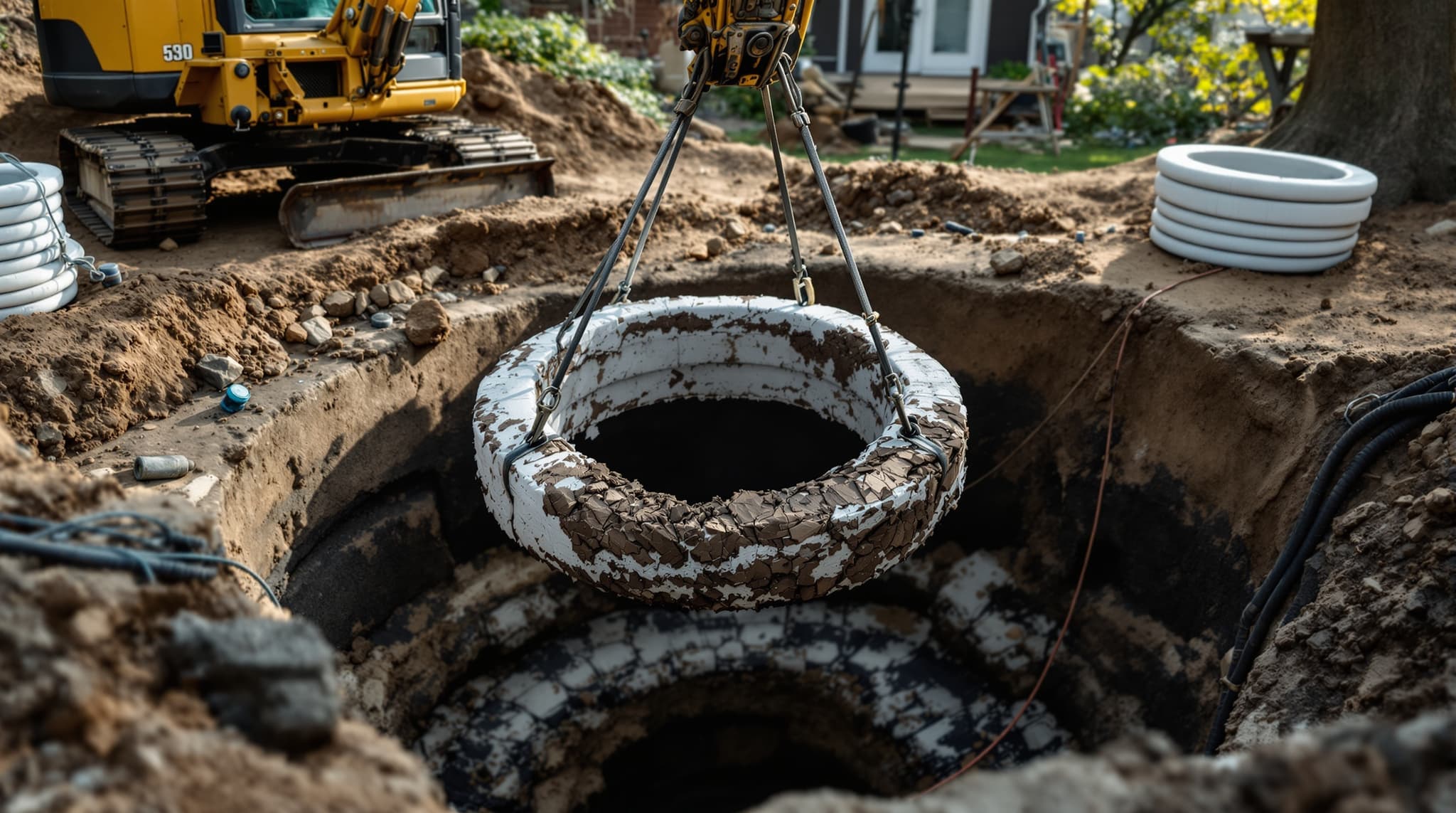
- Excavating the old field (or abandoning it in place and installing a new one in a different part of the yard)
- New D-box
- New 1.5" or 2" perforated distribution lines
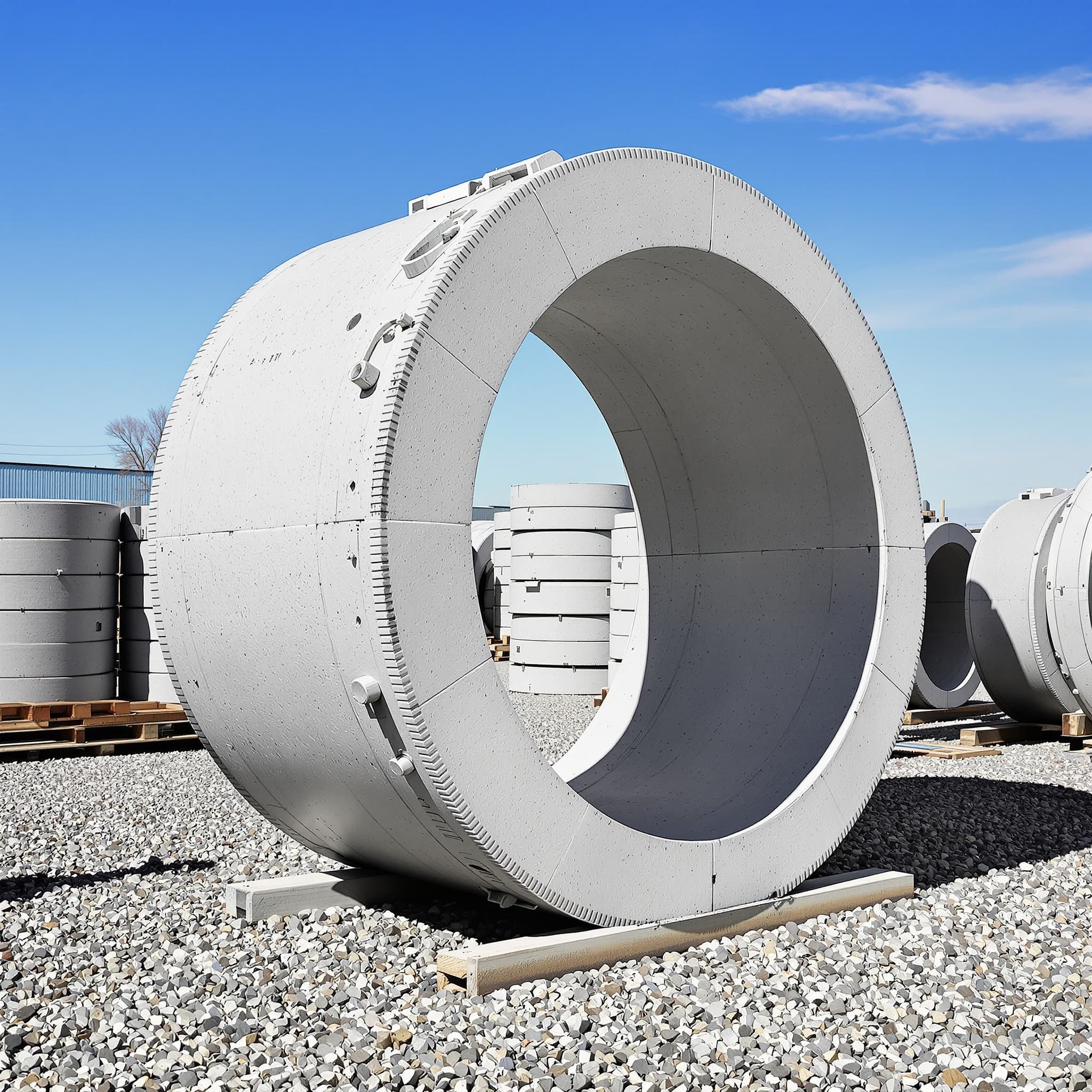
- New gravel or chambers (depending on the system we design)
- New final cover, topsoil, and seed
Permitting. Leach field replacement in Suffolk County usually requires an SCDHS permit. We file. You don't touch it.
Timeline. 3 to 5 working days for the excavation and install. 4 to 8 weeks from your call to final inspection, assuming straightforward permitting.
Restoration. We level the grade, topsoil, and seed. Sod is available as an upgrade. Mature plantings in the field footprint can't always be saved; we'll flag that during the walk-through.
SCSIP eligibility. If the field replacement is part of a larger system replacement (tank + field), you may qualify for Suffolk County Septic Improvement Program grant funding. See the SCSIP guide.
Cost Drivers for Drain Field Work.
Field work pricing varies heavily. For honest ranges and what drives cost, see the pricing page. Factors:
- Rehab vs full replacement
- Size of field (by bedroom count / design flow)
- Access (open yard vs tight lot with fences, pools, hardscape)
- Soil conditions (percable vs marginal)
- Restoration scope