How Does a Septic Tank Work?
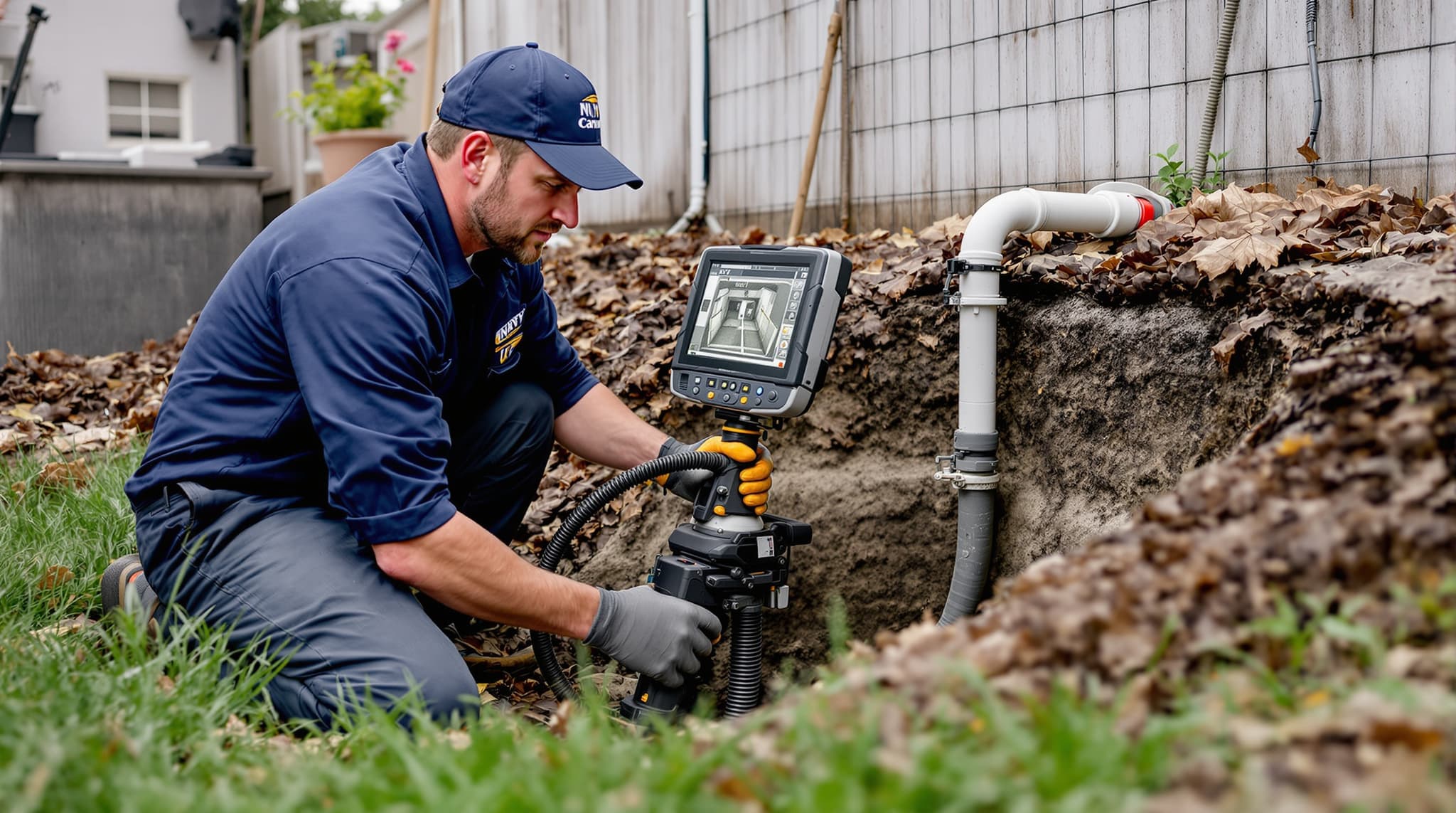
Wastewater from your toilets, sinks and showers flows into the septic tank. Heavy solids sink to the bottom and form a sludge layer. Grease and oils float to the top and form scum.
The liquid in the middle flows out to the leaching area. On Long Island, that is often a set of leaching pools or rings. Bacteria in the tank break down some of the solids. They cannot break down all of them, so the sludge layer grows over time.
Good maintenance comes down to one goal. Keep the solids in the tank and out of the leaching area. Once solids clog the soil around the leaching area, the repair gets expensive.
Many older Long Island homes have a cesspool instead of a septic tank. A cesspool is a single pit, so solids and liquid share the same space. Most of this checklist applies to both. For the cesspool side, see our guide on how often to pump a cesspool.
How Often Should You Pump a Septic Tank?
EPA guidance says household septic tanks are typically pumped every three to five years. It also suggests a professional inspection at least every three years. Your own schedule depends on how your household uses the system.
- Household size. More people means more solids.
- Tank size. A smaller tank fills up faster.
- Garbage disposal use. Food scraps add solids quickly.
- Water use. Big laundry days can push solids toward the outlet.
A pumper can measure the sludge and scum layers during each visit. If the tank fills fast, shorten the interval. If it stays light, you may be able to wait longer. When it is time, we handle cesspool and septic pumping across Suffolk and eastern Nassau.
Septic Tank Maintenance Checklist.
Use this list as a simple routine. Most of it costs nothing at all.
Every Day
- Flush only toilet paper. Wipes and paper towels do not break down, even ones labeled flushable.
- Keep cooking grease out of the sink. Let it cool and throw it in the trash.
- Use the garbage disposal lightly, or not at all.
- Spread laundry loads across the week instead of doing them all in one day.
- Fix running toilets and dripping faucets. Extra water can push solids out before they settle.
- Do not pour paint, solvents or strong drain cleaners down any drain.
Every Year
- Walk over the tank and leaching area. Look for soggy spots, odors or extra-green grass.
- Pay attention to slow drains or gurgling pipes.
- Make sure gutters and sump pumps drain away from the system.
- If your tank has an effluent filter, have it checked and cleaned.
Every Three to Five Years
- Have the tank pumped by a licensed pumper.
- Ask the crew to check the baffles and the inlet and outlet pipes.
- Ask for the sludge and scum readings.
- Write down the date and what the crew found.
Keeping a simple record helps a lot. It shows your pumping pattern over time. It also helps when you sell the house.
How Do You Protect a Septic Drain Field?
The leaching area is often the costliest part of the system to replace. On Long Island, it may be leaching pools or a trench field. Either way, treat it with care.
- Do not drive or park on it. The weight can crack pipes and pack down the soil.
- Do not build a patio, shed or pool over it.
- Plant grass over it. Keep trees and large shrubs away, since roots go after water.
- Send roof and sump water somewhere else. Extra water can saturate the soil.
Is water pooling over the leaching area? Does sewage back up after heavy water use? The field may be failing. A drain field repair can sometimes fix it without a full replacement.
What Does Septic Tank Maintenance Cost on Long Island?
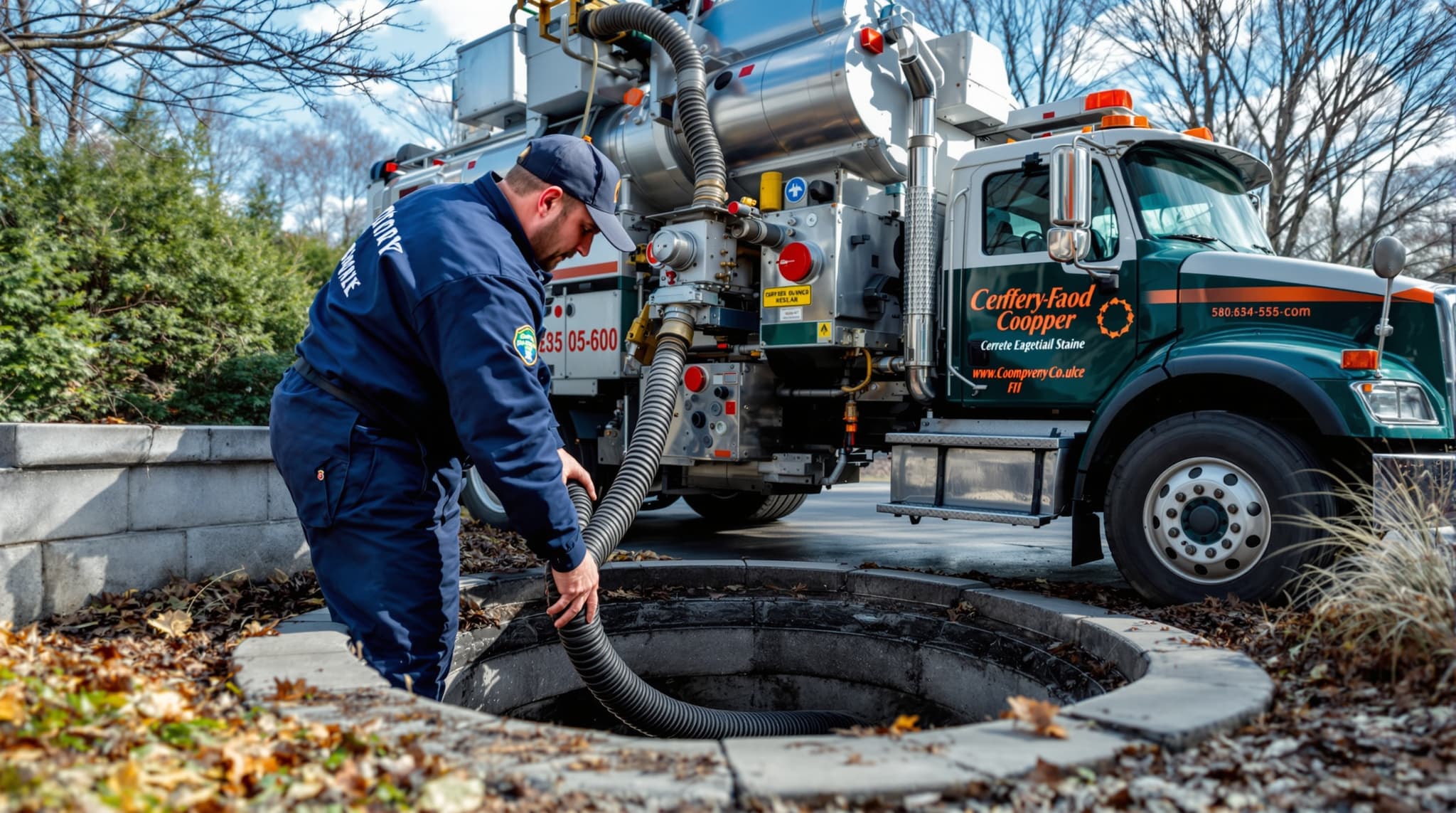
Most of this checklist costs nothing. The main expense is pumping every few years.
On Long Island, a routine pump-out often runs around $400 to $700. Every job is different. Tank size, cover depth and hose distance all change the price.
Buried covers add labor because the crew has to dig. A riser brings the lid up to ground level. It costs extra once and makes every later pump-out easier.
Emergency calls usually cost more than scheduled service. Skipping pumping rarely saves money in the end. Solids that reach the leaching area can clog it. Replacing a leaching area costs far more than years of routine pumping.
Signs Your Septic Tank Needs Service Now.
Call for service if you notice any of these signs.
- Slow drains in more than one fixture
- Gurgling sounds from drains or toilets
- Sewage odor in the yard or basement
- Wet or spongy ground over the tank or leaching area
- Water backing up into a tub, shower or floor drain
Is sewage coming into the house? Stop using water and call for 24/7 emergency pumping. Keep kids and pets away from any wet area in the yard.
Do I/A Septic Systems Need Different Maintenance?
Yes. An I/A system treats wastewater to remove more nitrogen before it reaches the ground. It has parts a basic tank does not have. These include pumps, blowers and alarms.
These systems need regular professional service, usually under a service contract. Ask your installer what the contract covers. If the alarm sounds, do not ignore it. It usually means the water level is high or a part has stopped working.
Common Questions About Septic Tank Maintenance.
Do septic tank additives help?
Most homes do not need them. Normal use already gives the tank the bacteria it needs. Regular pumping does more good than any additive.
Can you pump a septic tank too often?
Pumping early will not hurt the system. It just costs more than it needs to. Sludge readings help you find the right interval.
Is a garbage disposal OK with a septic tank?
It is, if you use it lightly. Food scraps add solids that break down slowly. Homes that use a disposal a lot often need more frequent pumping.
Schedule Septic Tank Maintenance on Long Island.
We offer cesspool and septic service across Suffolk County and eastern Nassau. Call (631) 641-5761 to book a pump-out or ask about your system. We can help you set a pumping schedule that fits your home.
Still have questions?
This guide was written by Long Island Cesspool Co.. If your situation has a wrinkle we did not cover, call us direct. Most questions we answer by phone take five minutes.